Brand launch and lifecycle strategy
Indication Expansion Promotional Strategy and Label Update Management
Synchronized promotional and label strategies unlock the biggest gains from indication expansions.
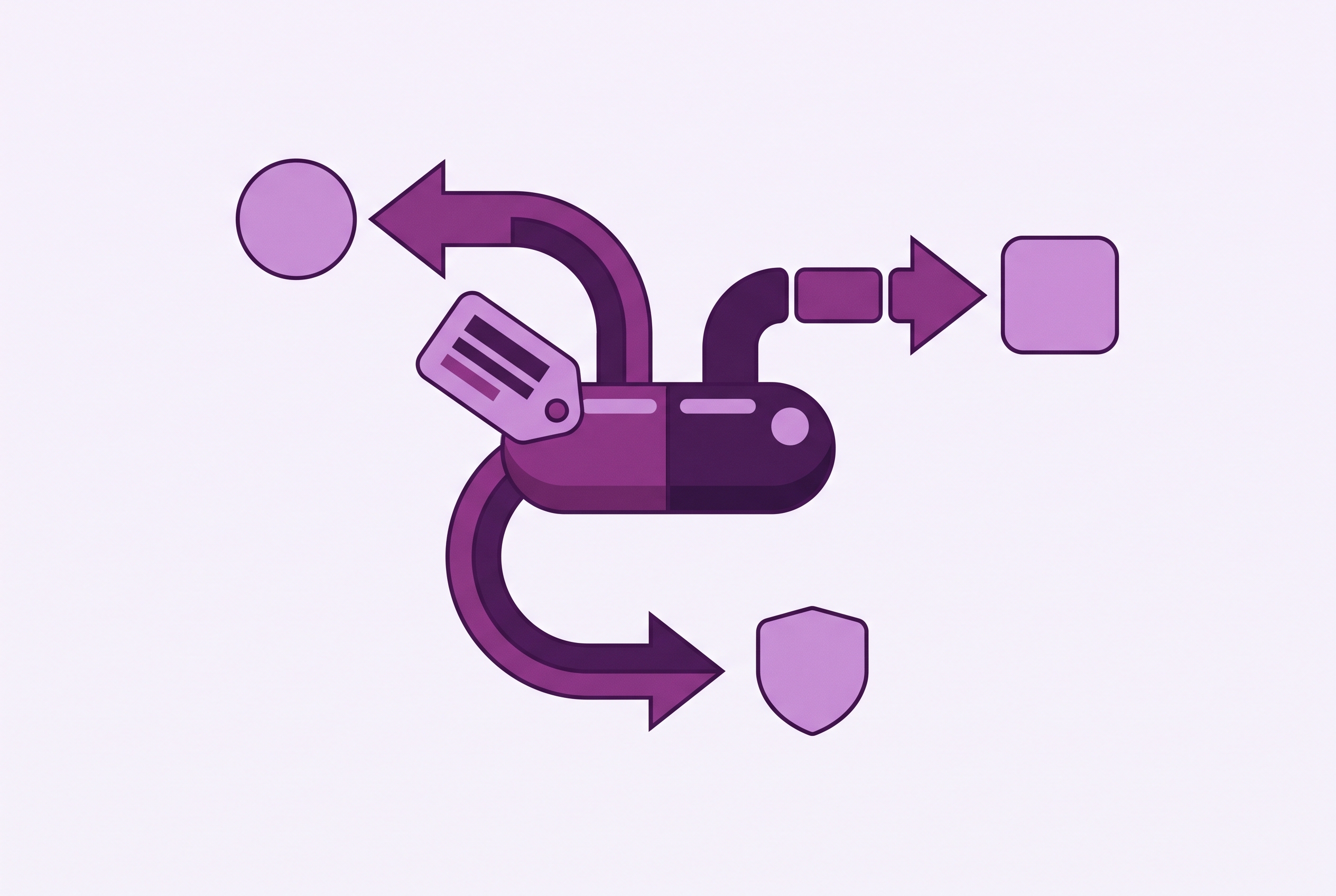
Post-approval filings have become the main route for broadening indications and unlocking the biggest post-launch upside for major pharmaceutical brands through supplements to NDAs and BLAs. Realizing those gains requires close alignment between market messaging and labeling execution.
Indication expansion as the primary post-launch growth engine
You get things from a supplemental approval that you cannot get when you launch a new molecular entity. Because clinicians are familiar with the compound and its risks, insurers have typically resolved coverage questions beforehand. Such history accelerates uptake and eliminates hazards a debut must shoulder from scratch.
The pipeline data shows this shift is built into how drugs make money across their lifecycle, not just a short-term pattern. PSG reported in its 2026 Drugs to Watch analysis that novel approvals have climbed consistently during the past decade, while specialty products now represent over half of approvals overall and, lately, an increasing share. In that pipeline, expanded indications are treated as routine approvals alongside new molecular entities, not as outliers. By April 2026, PSG's 2026 Drugs to Watch List already included three expanded-indication candidates with approvals in hand, underscoring the speed of that pathway.
Merck's pembrolizumab, sold as Keytruda, shows just how big the opportunity can get. The drug's first clearance came on September 4, 2014 in advanced melanoma, and it has since gathered more than 40 approvals covering lymphoma, lung, head and neck, gastric, urothelial, colorectal, cervical, endometrial, breast, hepatocellular, and renal cell settings. Every one of the 40-plus clearances called for a separate promotional playbook and a separate round of label revisions. Dupixent, the dupilumab partnership between Regeneron and Sanofi, took a similar yet different route: it launched in a single skin condition and then widened into a range of other disease areas by going after biological pathways those conditions share, and by 2025 it served a large and still-growing patient population worldwide. At Teva Pharmaceutical Industries', the board spent 2025 tracking how AUSTEDO, AJOVY, and UZEDY were performing and expanding, and meaningful indication expansions gave the company strong momentum, a sign this work now reaches the boardroom, not just brand teams.
The commercial rationale here is simple: a broader indication enables a brand to enter a bigger therapeutic category or serve patients previously beyond its reach. When a cancer drug initially cleared for advanced disease proves effective in earlier lines of care, the pool of treatable patients expands considerably, a trajectory Keytruda has followed throughout its approval history. This kind of expansion does not happen automatically when the FDA approves the supplemental application. Realizing this growth hinges on whether marketing plans and label workflows are prepared to act immediately upon approval, a coordination this piece will now explore.
The two workstreams that must move together: promotional strategy and label operations
Realizing the financial upside of a newly authorized use demands that marketing plans and labeling revisions advance in parallel. Firms handling these tasks one after another, delaying promotional efforts until approvals clear, routinely squander the critical initial launch period when physician interest and habits are easiest to shift.
On the promotional side, strategy means connecting the prescriber relationships a company already has with the clinical audiences an added indication brings into play. This calls for dividing those groups up, crafting fresh scientific messages grounded in the data supporting the added use, reaching HCPs in each specialty the indication affects, and coordinating channels designed with these groups in mind, so nothing can simply be reused from the first launch.
Label operations carries a supplemental NDA/BLA approval into the live label through regulatory and operational execution: revised promotional materials pass through the full Medical-Legal-Regulatory (MLR) committee before compliant field release. These two workstreams need each other both ways. Commercial teams must plan against the likely label ahead of approval, while label operations must execute quickly afterward to keep pace with the promotional strategy’s commercial calendar. Each has to advance without holding for the other’s piece to be done first.
Between a favorable trial result and the eventual supplemental approval lies a period that is operationally unstable. Medical Science Liaisons may hold scientific conversations with doctors that sales staff are barred from, and regulators police that line in day-to-day practice rather than leaving it as a distinction that exists only on paper. Misjudging where that boundary sits before approval clears is one of the likelier routes through which an expansion program picks up compliance risk.
The shift toward integrated cross-channel promotion makes all of this harder. With online budgets for Pharma projected to far exceed legacy media soon, every added indication creates more promotional material requiring oversight, evaluation, and distribution. Consequently, aligning marketing plans with labeling workflows becomes increasingly critical as a brand's approved uses expand. Successful groups begin synchronizing these parallel efforts long before clearance, since audience studies, identifying key players, rival assessments, and early awareness campaigns each depend on predicting the final approved wording.
How FDA review timelines shape the commercial planning calendar
With supplemental filings, FDA review runs on established PDUFA schedules, giving launch, commercial, and labeling groups a defined planning window that should be used deliberately, not spent rushing once approval arrives. For priority submissions, FDA’s PDUFA goal is action within 6 months of filing, while standard submissions are due within 10 months. That date gives teams the outside limit for structuring the rest of their planning.
That PDUFA date is a deadline and it also forces the work to happen. Everything from promotional strategy and field training schedules to MSL deployment plans plus MLR review queues must anchor to that single date, counting backward from it instead of starting at the submission's preceding trial readout. Lacking defined workflows, evaluating fresh indication content through MLR might require just days or stretch across multiple months. Teams that hold off on building promotional assets routinely until after approval lose those initial post-launch weeks, the period of peak interest from physicians and payers.
The steady flow of supplemental filings under FDA review demonstrates that teams overseeing products with multiple indications must repeat this process for each new indication, not treat it as a single-product planning event. The submission-to-approval window creates a distinct regulatory divide: medical affairs may discuss the underlying science with physicians during this time, while commercial teams face limits on their permissible communications and activities. When these functions fall out of sync with the PDUFA timeline, it frequently creates compliance exposure for the program.
This timing becomes even trickier when the route is accelerated approval. When accelerated approval is sought, 21 CFR 314.550 calls for sending FDA each promotional piece during review, continuing those submissions until day 120 after approval, and filing again weeks before any later first dissemination. The compressed post-approval period means materials should already be near-final by approval rather than launched from scratch then, flipping the usual sequence standard-pathway teams may expect.
The pipeline data shows this shift is built into how drugs make money across their lifecycle, not just a short-term pattern.
Promotional strategy for a new indication: reaching new clinical audiences without losing existing prescribers
When a recognized product seeks approval for an additional use, familiarity is seldom the obstacle because it already has a commercial presence. The true challenge lies in tailoring outreach: sharing fresh trial data with doctors unfamiliar with the therapy, yet preserving trust among those who use it for its initial purpose.
A physician who knows a therapy's first use cannot, on that basis alone, grasp its relevance in another care context. Communication supporting the added indication must demonstrate why the data warrant that broader role, while never weakening or clashing with the beliefs current prescribers hold about the medicine. Each specialty brings its own treatment goals, patient worries, and prescribing routines to the table. When one molecule carries both a heart-related and a cancer-related approval, each market needs its own segmentation approach developed from zero, not materials from the earlier approval with a new label attached.
Esperion Therapeutics shows what this actually costs. SG&A spending rose in 2024 after NEXLETOL and NEXLIZET gained a broader cardiovascular indication, a step its 10-K credits to heavier marketing and promotion, a larger sales team, and more outside commercial support. Even a brand that was already established with existing market presence had to put new money behind it to realize what the new indication was worth. ANI Pharmaceuticals offers a parallel case viewed differently: in January 2026 it said it would grow its Rare Disease group by roughly 90 people to chase the Cortrophin Gel opportunity in flares of gouty arthritis, with the enlarged team expected to be selling in the field around mid-2026. A fresh indication usually means building out feet on the street, not merely handing fresh collateral to the reps already in place.
A new indication calls for segmenting the HCP audience into three categories: those newly entering your primary target list, those already prescribing who need message refinement instead of a complete overhaul, and those requiring education from the ground up. Treatment guidelines offer a helpful indicator throughout. When guidelines take on new uses, such as earlier treatment lines or wider patient eligibility, they confirm the story your commercial team plans to tell while opening doors for field conversations. Monitoring guideline development early lets you act before competitors who hold off until updates are published.
This window before approval can still be put to work. Teams can use it for market insight, KOL planning, nonpromotional disease education, and field readiness, so launch promotion is primed to pick up as soon as approval comes through and the label changes.
Omnichannel execution and the scaling of promotional surface area and compliance burden
Drug promotion now unfolds at once across web portals, HCP networks, social media, field reps, and consumer-facing channels. Consequently, every fresh indication demands an expanded library of aligned marketing materials, each needing MLR approval matched to the authorized label beforehand.
For 2026, pharma marketers must account for five omnichannel forces: data-integrated personalization, connected HCP and patient engagement, AI-powered work to improve campaigns, hybrid field-and-digital sales models, and transparency demands driven by regulation. Each force widens the set of promotional materials requiring control within the label-update process already outlined above. Hybrid approaches make the change tangible: field representatives now focus on complex clinical guidance and relationship development, while digital touchpoints extend the interaction beyond what reps once handled alone. As a result, every indication calls for a larger set of channel-tailored pieces, with sales aids, online learning units, web-portal copy, and event collateral each shaped for its intended setting.
AI-driven tools that recommend the next best step now rank among the most common commercial initiatives you see across pharma. PharmaForceIQ's purchase of Aktana during January 2026, intended to unify sales team and promotional coordination, demonstrated how thoroughly this method has embedded itself in routine commercial infrastructure. But these systems depend entirely on content that has already secured MLR approval for the particular indication in question. An AI engine that streamlines the delivery of promotional material lacking MLR clearance for that indication creates risk, not value.
Given how broadly omnichannel execution now operates, label accuracy must function at the system level, not through document-by-document verification. All HCP-facing assets, in every channel and message version, must align with the latest approved labeling, a requirement that expands as a brand gains indications. Regulatory scrutiny has intensified alongside this expansion. FDA released its final guidance on scientific information concerning unapproved uses during January 2025, unveiled a September 2025 crackdown targeting deceptive direct-to-consumer advertising, encompassing social media influencer promotion, and took steps to shut down the "adequate provision" loophole. Together, these moves heighten the compliance standard omnichannel assets must meet. Promotional planning teams should therefore maintain a comprehensive map of all channels housing current brand content, ensuring that label updates automatically prompt coordinated refreshes across every touchpoint instead of relying on ad-hoc hunts for outdated materials.
Inside the label update after an sNDA or sBLA is approved
Winning regulatory green lights for sNDAs or sBLAs triggers mandatory, clock-driven operational tasks: teams must revise pending filings, refresh labeling, and route updated promotional content through MLR review prior to sales deployment. Companies that fail to set up this workflow ahead of time end up burning weeks of commercial runway on tasks they could have handled earlier.
Within 14 days of approval, you must amend every pending supplemental application that includes labeling changes with the content of the newly approved labeling, folding in both the changes approved in that supplemental application and any annual reportable changes, and submit it in annotated MS Word format. That 14-day clock runs regardless of whether the commercial side of the business is ready to act on it.
Before any newly approved use may be marketed, each updated promotional item must clear MLR review. Medical reviewers verify that the scientific content is accurate. The legal reviewers confirm that each assertion in the piece is defensible. The regulatory reviewers make sure the piece conforms precisely to what the label permits. No sales rep, webpage, or exhibit display gets the material until all three have approved it.
Most approvals carry a submission obligation set by 21 CFR 314.81(b)(3)(i), which directs applicants to send specimens of promotional labeling plus advertisements to the agency using Form FDA-2253 at initial dissemination. This works as a duty tied to launch instead of a gate before approval, so materials need MLR-cleared status and must be ready for FDA filing when they reach the field. Under 21 CFR 314.550, accelerated approval products face a stricter timeline: sponsors must provide FDA with every promotional item while the application is still under review, then give the agency adequate advance notice ahead of any later intended use. That sequence flips the standard approval pattern, since pieces must be finished earlier and the normal pairing of regulatory sign-off with market readiness no longer holds.
Sources
- TEVA PHARMACEUTICAL INDUSTRIES LTD - Form DEF 14A - FY2026
Provided detail on Teva's board-level tracking of AUSTEDO, AJOVY, and UZEDY indication expansions as evidence that this work reaches the boardroom.
- Esperion Therapeutics, Inc. - Form 10-K - FY2025
Sourced Esperion Therapeutics' 10-K data showing SG&A spending rose after NEXLETOL and NEXLIZET gained a broader cardiovascular indication.
- ANI PHARMACEUTICALS INC - Form 8-K - FY2026
Provided ANI Pharmaceuticals' January 2026 announcement of expanding its Rare Disease group by roughly 90 people for the Cortrophin Gel gouty arthritis indication.
- 1 PDUFA REAUTHORIZATION PERFORMANCE GOALS AND PROCEDURES FISCAL YEARS 2023
Supplied the PDUFA performance goal timelines of 6 months for priority and 10 months for standard supplemental submissions.
- Federal Register :: Supplemental Applications Proposing Labeling Changes for Approved Drugs and Biological Products
Underpinned the regulatory requirement to amend pending supplemental applications within 14 days of approval with newly approved labeling content.